Table of ContentsRumored Buzz on Healthcare Finance What Is Municipal BondThe Facts About What Does The France Bond Market Finance RevealedThe Only Guide to A City Could Issue Which Type Of Bond?Getting The What Is A Bond In Finance To Work
Some corporations provide, which allow the corporation to "call" (redeem) their bonds prior to they mature and reissue them at a lower interest rate. Asset-backed securities, likewise called "ABS," are issued by banks and other financial participants. A bank might bundle the cash streams from a swimming pool of properties and provide these ABS bonds to investors. what is bond in finance.
The Securities and Exchange Commission notes that community bonds generally fall under two classifications:. These bonds rely on the "full faith and credit" of their companies without being protected by any possessions. Federal government companies, however, have complete authority to tax their residents in order to pay their bondholders. These bonds do not count on a government's authority to tax homeowners; instead, the bonds are paid from the revenue that the bonded task produces.
These bonds require voting approval prior to issuance. Bond offerings requiring citizen approval or not consist of funding for jobs such as improving a state's infrastructure, consisting of highways and bridges; financing a business's operations; building medical facilities, schools and libraries; and fixing water/wastewater centers. Different kinds of bonds have different maturity dates, which are the dates on which the bond issuer repays its financiers their full principal quantity.
represent bonds from the very same issue that have the same maturity dates. Term bonds stretch further into the future than many serial bonds, usually from 20 to thirty years. are groups of bonds that are bound together with various bonds developing at different times throughout the series. The series typically spans anywhere from a year to 20 years.
Bonds are normally "safer" investments than stocks because bonds don't normally experience the everyday low and high that stocks do (an exception is "junk bonds," which are riskier than other bond types). Conservative investors discover bonds to follow a more foreseeable path that they concern as more safe than other kinds of investments.
Some of the risks related to purchasing bonds consist of: Bond issuers possibly can default on payments if they experience monetary difficulties. Investors can check a provider's credit score prior to buying bonds, although an existing good credit ranking is not a warranty of continued monetary health. If a bond provider "calls" a bond (repays it prior to the maturity date), an investor's rate of return will be less than expected.
Examine This Report about What Does Everything In The Price Of A Bond Formula Stand For In Finance
Bonds can prove exceptionally practical to anybody worried about capital preservation and earnings generation. Bonds also might assist partly offset the risk that includes equity investing and typically are recommended as part of a diversified portfolio. They can be utilized to accomplish a range of financial investment goals. Bonds hold chance but, like all investments, they also carry risk.
The primary distinction in between these 2 methods of buying bonds also is very important to comprehend: When you purchase a private bond and hold it to "maturity," you will not lose your principal unless the bond provider defaults. When you buy a mutual fund, however, the value of your financial investment fluctuates everyday your principal is at danger.
Bonds run quite like a house mortgages. The corporation or government company that provides the bond is considered a customer. Investors who buy those bonds, are thought about the lenders. Financiers buy bonds due to the fact that they will get interest payments on the investment. The corporation or government firm Informative post that provides the bond indications a legal arrangement to pay back the loan and interest at a predetermined rate and schedule.
This is the date on which the principal quantity of a bond also called the "par value" is to be paid completely. A bond's maturity generally is set when it is released. Bonds often are described as being brief-, medium- or long-lasting. Usually, a bond that grows in one to three years is referred to as a short-term bond.
Whatever the duration of a bond, the borrower fulfills its debt responsibility when the bond reaches its maturity date, and the last interest payment and the initial sum you lent (the principal) are paid to you. Not all bonds reach maturity, even if you desire them to - what is a finance bond. Callable bonds prevail: they allow the company to retire a bond prior to it grows.
While companies are not officially required to document http://marioywbr418.bearsfanteamshop.com/what-does-how-to-make-a-lot-of-money-with-a-finance-degree-mean all call arrangement terms on the customer's confirmation statement, many do so. You generally get some call defense for a duration of the bond's life for instance, the first 3 years after the bond is issued. This implies that the bond can not be called previously a defined date.
Little Known Facts About Finance Quizlet When Bond Rates Rise.
Before you purchase a bond, constantly check to see if the bond has a call arrangement, and consider how that may affect your portfolio financial investment. A bond is a long-term investment. Bond purchases need to be made in line with your financial goals and preparation. Buying bonds is one way to save for a downpayment on a house or conserve for a child's college education. A bond's voucher is the annual interest rate paid on the issuer's obtained cash, normally paid out semi-annually on private bonds.
Say you invest $5,000 in a six-year bond paying a coupon rate of 5 percent per year, semi-annually. Presuming you hold the bond to maturity, you will get 12 discount coupon payments of $125 each, or a total of $1,500. Accumulated interest is the interest that includes up (accrues) every day between voucher payments.
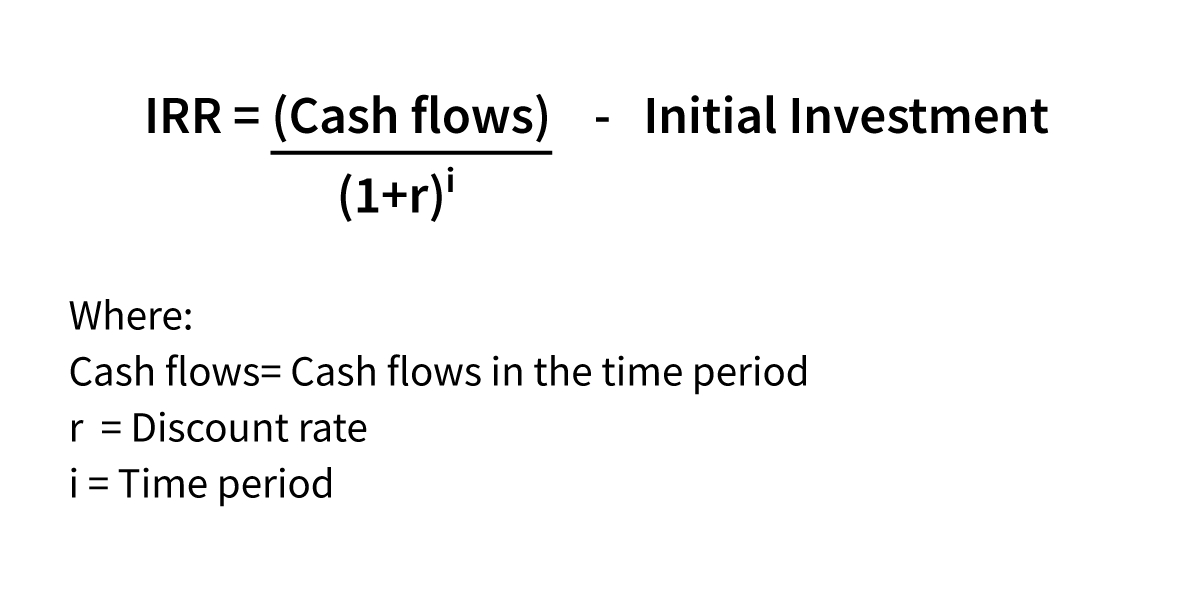
If you're offering, you're entitled to the price of the bond plus the accumulated interest that the bond has actually earned as much as the sale date - which of these is an element of a bond personal finance. The buyer compensates you for this portion of the discount coupon interest, which normally is handled by including the total up to the agreement price of the bond.
As the name recommends, these are bonds that pay no discount coupon or interest. Rather of getting an interest payment, you buy the bond at a discount rate from the stated value of the bond, and you are paid the face amount when the bond matures. For instance, you may pay $3,500 to acquire a 20-year zero-coupon bond with a stated value of $10,000.
Bonds receive a graded ranking that reflects the danger connected with investing in a bond. The premier bonds get AAA or AA rating, meaning they are thought about low risk. The A and BBB rated bonds are thought about medium credit quality and anything below that is considered poor quality or, what some investors describe as junk bonds.
Securities and Exchange Commission as the Nationally Recognized Analytical Score Organizations. Morningstar has actually grown in status just recently and might be thought about the 4th main rating company. If the corporation or government agency that released the bond goes insolvent, it sells all its possessions and pays back investors in a pre-determined order referred to as liquidation preference.
Getting My What Is New Mexico Activities Or Expenditures Do The Bond Issues Finance "2017" To Work
When senior debtors are paid, if there is cash left over, it goes to the next classification of financiers, referred to as junior or subordinated debtors. These typically are large corporations or service entities. It's possible that junior debtors will get partial or no repayment at all. If there is any cash left, it is split amongst shareholders.
The length of time to maturity is set when the trust is formed and at the end of that, the financier receives his principal back, just as he would if purchasing a single bond. Along the method, financiers get interest payments, typically on a monthly basis. This is considered a low-risk financial investment, though the costs connected with it can consume into the revenues.
They are perfect for financiers who wish to spread their threat, but don't have adequate cash or time to rate and choose 10-15 different bonds to invest in. Rather, they put their cash in a bond system investment trust and get that sort of diversity. is a basic term that associates with the return on the capital you invest in a bond.
There are, in truth, a number of types of yield. The terms are crucial to comprehend due to the fact that they are used to compare one Check out the post right here bond with another to discover which is the much better investment. is the annual rates of interest established when the bond is issued. It's the same as the coupon rate and is the amount of income you collect on a bond, expressed as a portion of your initial financial investment.